Go back






Building Climate Readiness into Manufacturing
How Gujarat Plug-In Devices is strengthening its sustainability journey as a supplier
For decades, Vadodara, India-based manufacturer Gujarat Plug-In Devices (GPD) has designed and produced transformers, inductors and other magnetic components for applications ranging from industrial equipment and power infrastructure to solar, wind and railways. Engineering, quality and reliability sit at the heart of the business.
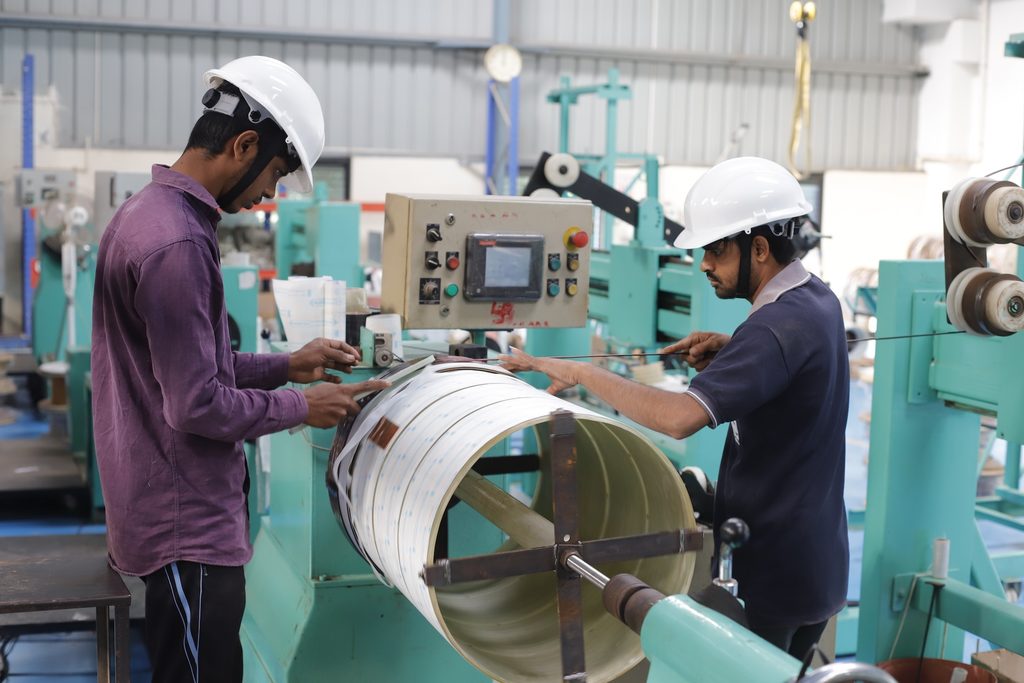
Winding process underway at GPD’s manufacturing unit
Environmental management is not new to the company either. GPD has an ISO 14001-certified environmental management system that actively reduces its environmental footprint, lowers waste, and ensures compliance with environmental regulations, alongside certifications for quality and occupational health and safety.
While quality and efficiency are key drivers for GPD, environmental management became not just an important compliance but also a step towards a broad conversation on climate change and how they strive to be a responsible business.
A practical introduction to climate action
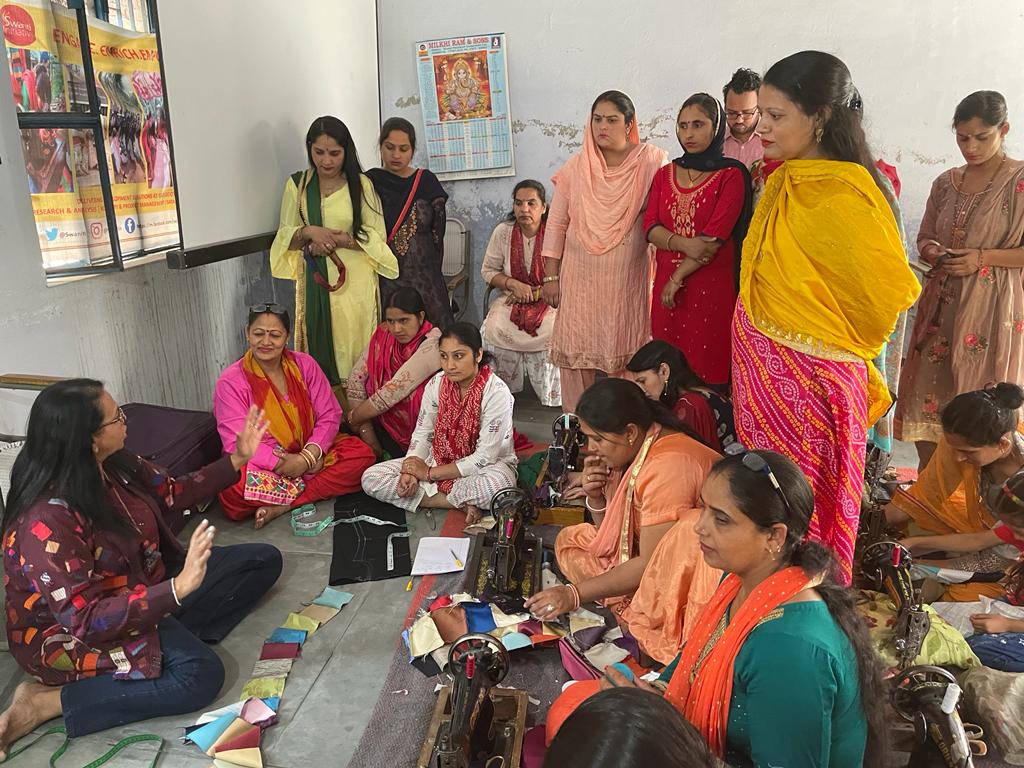
As a supplier to Avaids Technovators, GPD joined Avaids’ supply chain engagement program, delivered with the SME Climate Hub.
For the company, the program provided a practical starting point for going beyond a broad understanding of environmental responsibility and looking more closely at its own carbon footprint.
Carbon measurement was a relatively new area for the team. The program introduced the fundamentals of greenhouse gas emissions and helped GPD understand how Scope 1, 2 and 3 emissions relate to its operations and wider value chain.
What made the process useful was its practical approach.
The sessions helped break down concepts that could otherwise feel technical or unfamiliar, while the customized portal and manuals gave the team a structured, step-by-step pathway and concrete support that could be referenced anytime.
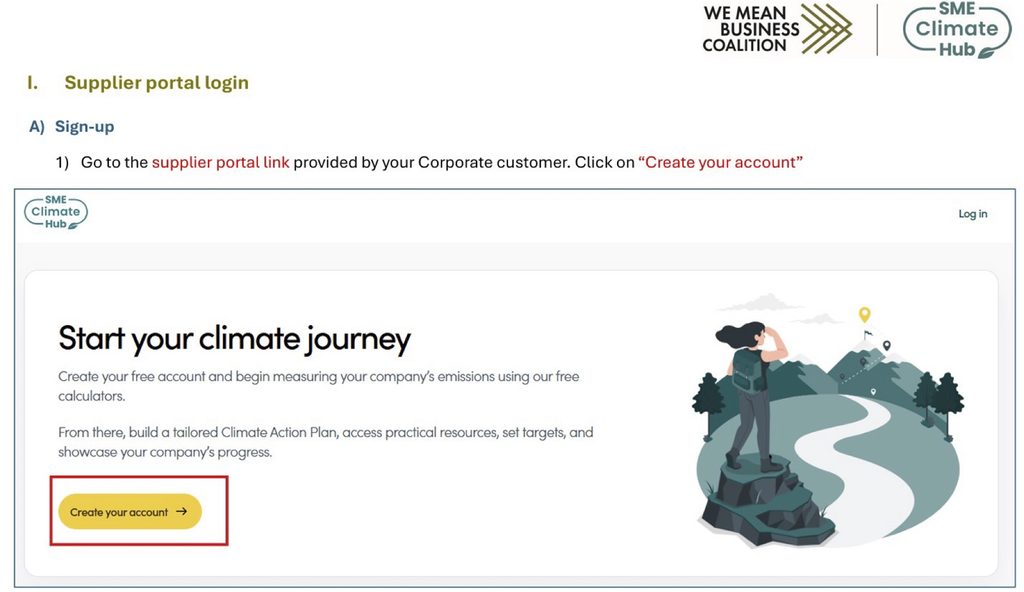
The Avaids’ supply chain engagement program delivered with the SME Climate Hub provided a practical introduction to climate action
What initially seemed like a complex exercise became easier to understand once the team had the right guidance and tools.
The support from Avaids also helped. Having an existing business relationship meant the program felt less like an external requirement and more like an opportunity to learn something that could be useful to the business.
Turning information into a business conversation
For GPD, one of the most useful shifts was beginning to look at emissions not simply as a sustainability metric, but as information that can influence business decisions.
As a manufacturer, energy use, operational efficiency and investment decisions are already part of everyday business conversations. Understanding emissions adds another dimension to those decisions.
It also changes how the company approaches conversations with customers and suppliers.
As larger businesses increasingly seek to understand emissions across their value chains, suppliers may be asked to provide more information about their environmental performance or demonstrate how they are preparing for changing expectations.
For GPD, developing this understanding early is therefore less about responding to a single customer request and more about being prepared for what comes next.
“The program helped us look at our operations from a different perspective. We already focus strongly on quality and continuous improvement. Understanding our emissions gives us another way to identify where we can improve and prepare for the expectations of our customers and industry, while reducing our emissions and carbon footprint.”
– Dr. Gitesh Chitaliya, CEO, Gujarat Plug-In Devices
A supplier’s perspective on supply chain action
There is another lesson from GPD’s experience.
Climate action across supply chains does not have to begin with suppliers having all the answers. Sometimes, what is needed first is the right opportunity, a clear process, willingness to act and the confidence to get started.
For GPD, Avaids’ engagement provided that opportunity. The program gave the team a structured way to build knowledge, ask questions and begin understanding its own emissions. In turn, that knowledge can become part of how the company thinks about its operations and its relationships with customers.
This is where supplier engagement can create value beyond a single program.
When businesses are given the tools and support to understand what climate action means for them, a supply chain conversation can become the beginning of their own journey.
For GPD, that journey is still evolving. But the company now has a stronger foundation to measure, understand and act on its climate impact.
And for a manufacturer built on the principle of continuous improvement, understanding and addressing its environmental impact is a natural next step.