 Volte
Volte



Stitching Second Chances
How one small business is transforming textile waste into livelihoods and a more circular future
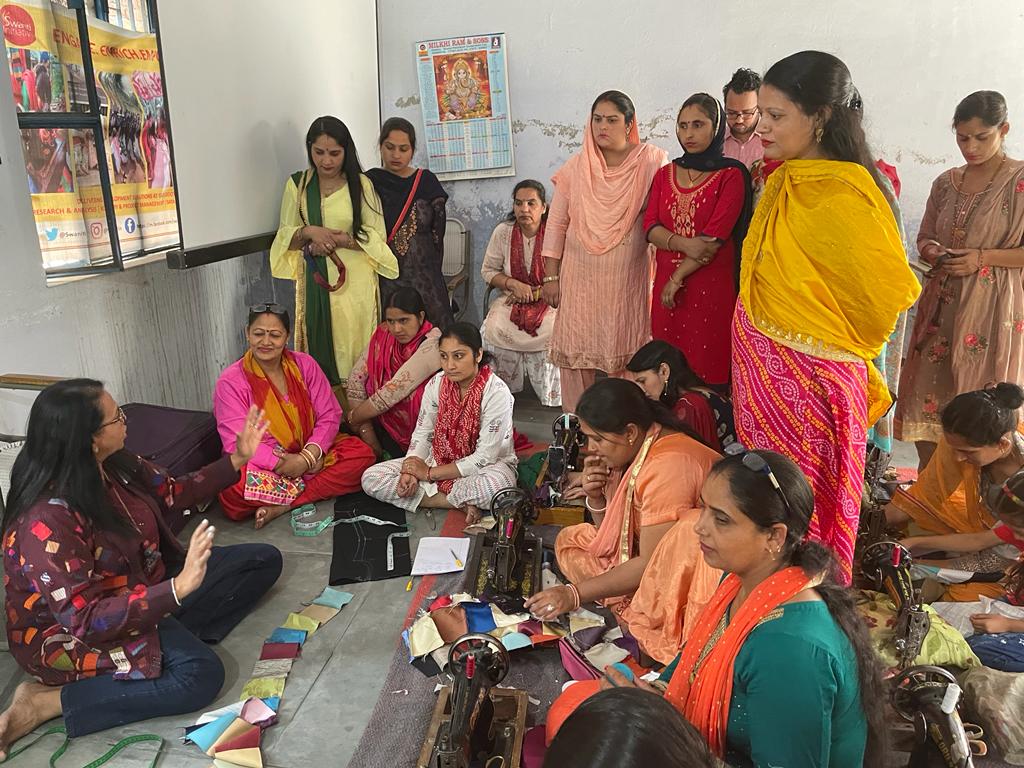
Every year, mountains of perfectly usable fabric are discarded before they ever become clothing. At the same time, millions of women remain excluded from meaningful economic opportunities.
For Bhavini Parikh, these weren’t two separate problems. They were one opportunity.
In 2019, she founded Bunko Junko with a simple but powerful belief: that the fashion industry’s waste could become a resource for creating livelihoods, restoring dignity and driving climate action. What began as an idea to rescue discarded textiles has grown into a business proving that sustainability and social impact can thrive together.
“People often think we’re in the business of making bags or gifts. We’re not. We’re in the business of giving textile waste—and people—a second chance. Every piece of fabric we rescue is an opportunity to create livelihoods, reduce waste and prove that sustainability can be both beautiful and commercially viable.” —Bhavini Parikh, Founder, Bunko Junko
Six years later, what started as one woman’s vision has grown into a thriving circular enterprise that has transformed more than 108,000 metres of discarded textiles into new products, empowered over 1,100 women, and demonstrated that climate action can create economic opportunity—not just environmental impact.
For Bunko Junko, sustainability isn’t a department or a marketing message. It’s simply the way the business thrives.
A model of climate entrepreneurship
Every roll of discarded fabric that arrives at Bunko Junko begins two journeys.
One keeps valuable materials in circulation instead of landfill. The other creates opportunity.
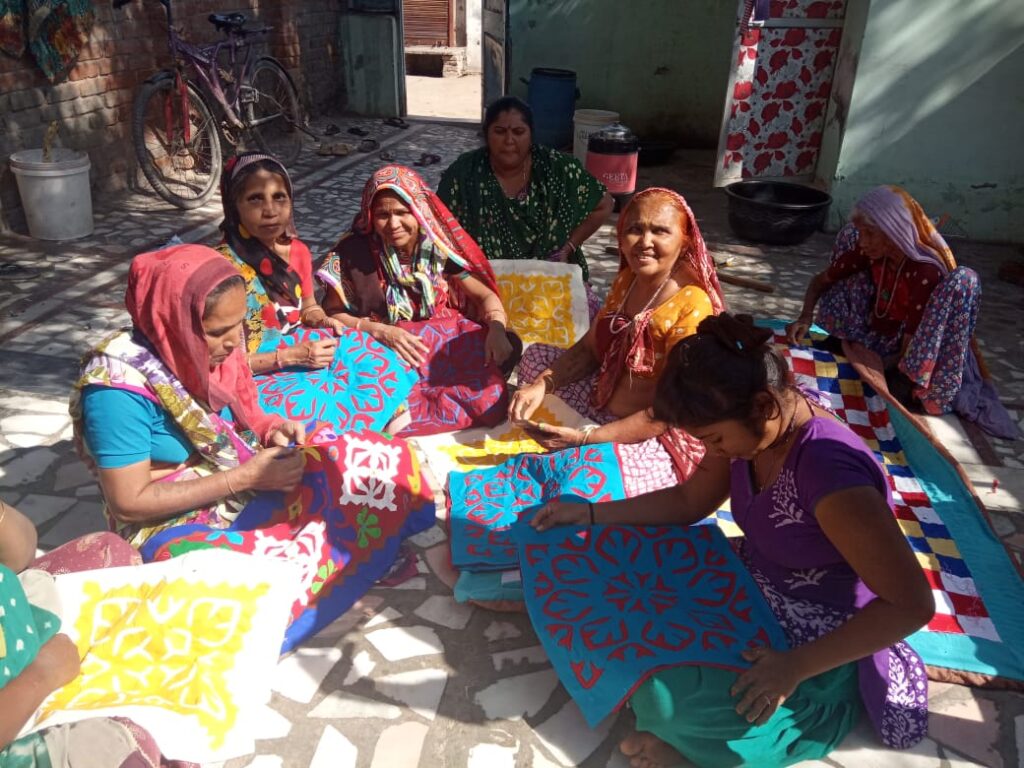
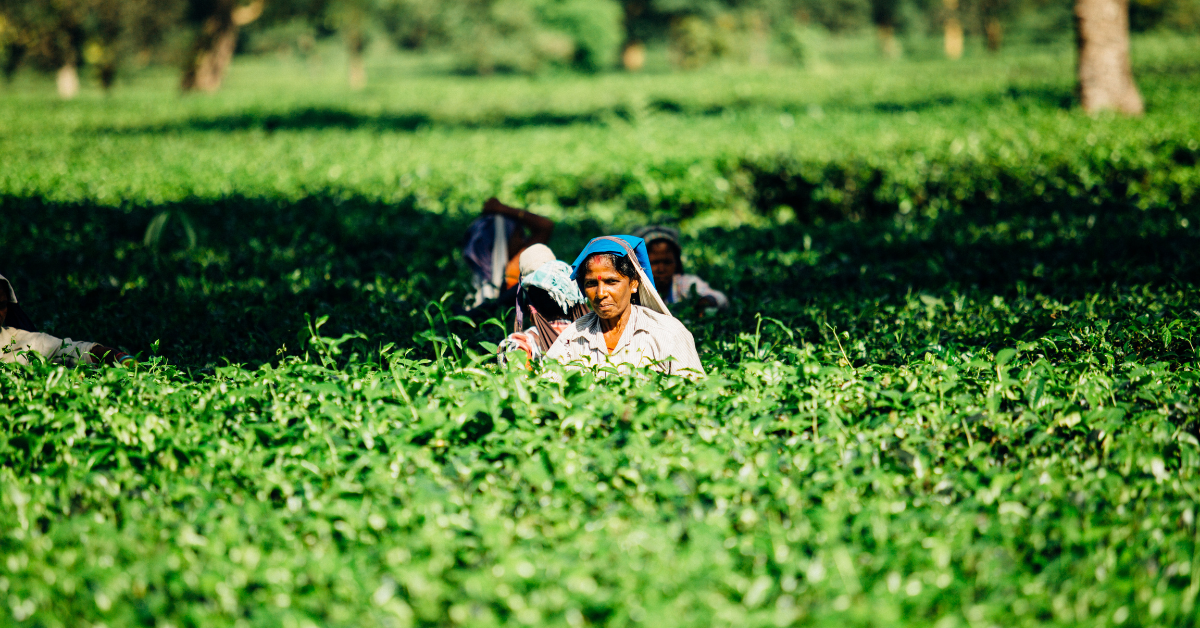
The enterprise has worked with more than 1,100 women from villages, shelter homes, juvenile centres and other underserved communities, providing hands-on training in stitching, embroidery and upcycling. Through its decentralised production model, women build employable skills, earn sustainable incomes and become active participants in the circular economy—all while remaining rooted in their own communities.
That purpose-led model is resonating in the market. Bunko Junko has sold over 100,000 upcycled products, works with 15+ corporate clients, and enjoys a 60% repeat customer rate—demonstrating that sustainability and commercial success can go hand in hand.
Bunko Junko shows how responsible production, women’s economic empowerment and climate action can reinforce one another, bringing multiple Sustainable Development Goals to life through a single business model.
Turning purpose into proof
Customers increasingly want more than good intentions. They want evidence.
That was one of the reasons Bunko Junko joined the SME Climate Hub.
By making a public climate commitment, the business signalled that sustainability isn’t just reflected in its products—it’s measured, managed and continuously improved.
“Joining the SME Climate Hub helped us move from simply believing we were making a difference to actually being able to measure and demonstrate it. As we grow, being able to communicate our climate impact is becoming just as important as designing great products.” —Bhavini Parikh, Founder, Bunko Junko
For a business already built on circularity, the Hub provides something equally valuable: credibility.
Displaying the SME Climate Commitment badge helps Bunko Junko demonstrate to customers, corporate buyers and partners that climate action isn’t simply part of its story—it’s embedded in the way the business operates. Being part of the Hub has also connected the enterprise to a global community of like-minded businesses, opening new opportunities for collaboration, visibility and partnerships.
From local impact to global recognition
Bunko Junko’s purpose-driven approach has earned recognition well beyond India’s circular economy ecosystem.
The enterprise has been recognised as a pioneering upcycling manufacturer by India’s Ministry of Textiles and has participated in leading climate innovation and entrepreneurship programmes supporting women-led businesses.
Its participation in Climate Collective’s Women in Climate Entrepreneurship programme strengthened the business through mentoring, business development support and access to a growing network of climate entrepreneurs, investors and collaborators.
The enterprise has also been featured on platforms advancing the United Nations Sustainable Development Goals, where its work demonstrates how one small business can simultaneously reduce waste, create dignified livelihoods and accelerate climate action.
Changing the fabric of fashion
Bhavini doesn’t believe upcycled products should remain a niche choice. Her ambition is to make them the obvious one.
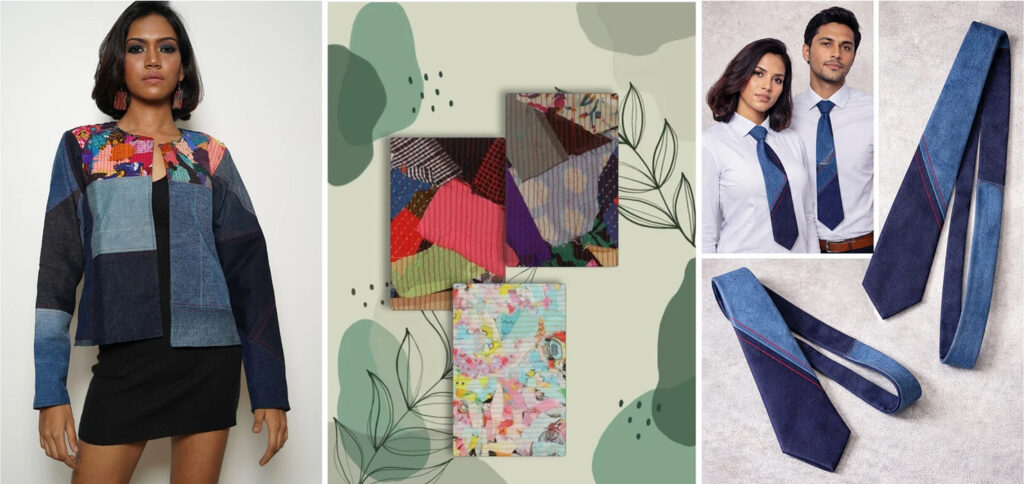
As Bunko Junko grows, the enterprise is expanding its network of women artisans, helping more brands recover textile waste, and building the digital infrastructure needed to make circular fashion more transparent and traceable. Alongside this growth, it continues to strengthen how it measures and communicates its climate impact through the SME Climate Hub.
Because success isn’t measured only by products sold.
It’s measured by 36 tonnes of waste kept out of landfill, 146,553 kilograms of carbon emissions avoided, more than 25 million gallons of water saved. Together, these outcomes demonstrate the extraordinary impact that small businesses can have in transforming industries—one stitch at a time.
“My dream is that one day people won’t ask whether a product is made from recycled textiles. They’ll simply expect it. When circular products become the norm instead of the exception, we’ll know we’ve succeeded.” —Bhavini Parikh, Founder, Bunko Junko