 Volte
Volte




A fantastic fit: Stitching ESG into the fabric of fashion
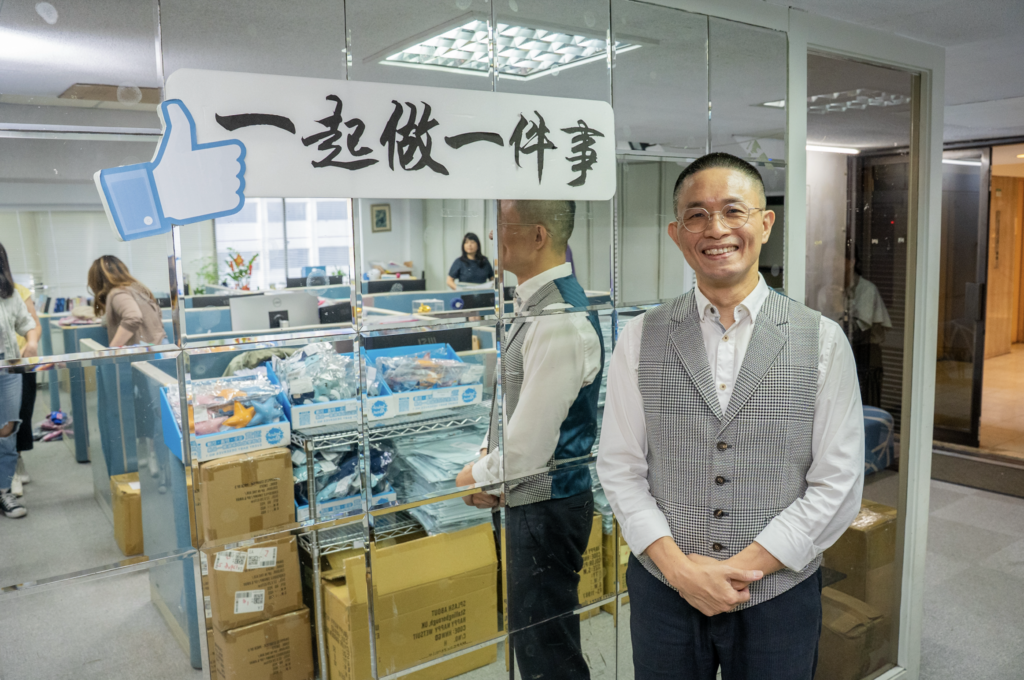
Liu Kaiwei, Chairman of Fantastic Enterprise Co., Ltd., has taken the reins of the garment trading business founded by his father, Liu Ching-Wu, steering the company from digital transformation toward a green future.
With the countdown to the EU’s Carbon Border Adjustment Mechanism (CBAM) underway, sustainability is no longer a moral choice of “to do or not to do.” It is the key to survival.
Having weathered industrial relocation and the digital wave, Fantastic Enterprise, a garment trading company now riding the crest of the sustainability tide, has provided a calm yet resolute answer.
“The company was born three years before I was,” says Liu Kaiwei, the second-generation leader born in 1975. After returning from his master’s studies in the UK in 2000, he officially took over the business founded by his father when his father’s health began to decline in 2015.
Fantastic Enterprise’s core products are exported ready-to-wear apparel and knitwear, primarily serving European clients. In 2000, when many traditional Taiwanese industries were relocating, Fantastic Enterprise simply followed its customers: it moved production to mainland China and continued shipping via triangular trade, keeping partnerships intact. In that turbulent wave, the company kept a firm grip on the helm, allowing its ship to turn smoothly.
“It wasn’t until I took over that I truly felt the pressure my father had shouldered,” Liu recalls. Once in charge, he confronted the internet revolution and a dramatically altered market. Taiwan’s apparel sector had become dominated by a handful of giant brands; long-standing clients were aging, exiting the market, or ending cooperation. He realized the company had no choice but to transform.
From digital to sustainable
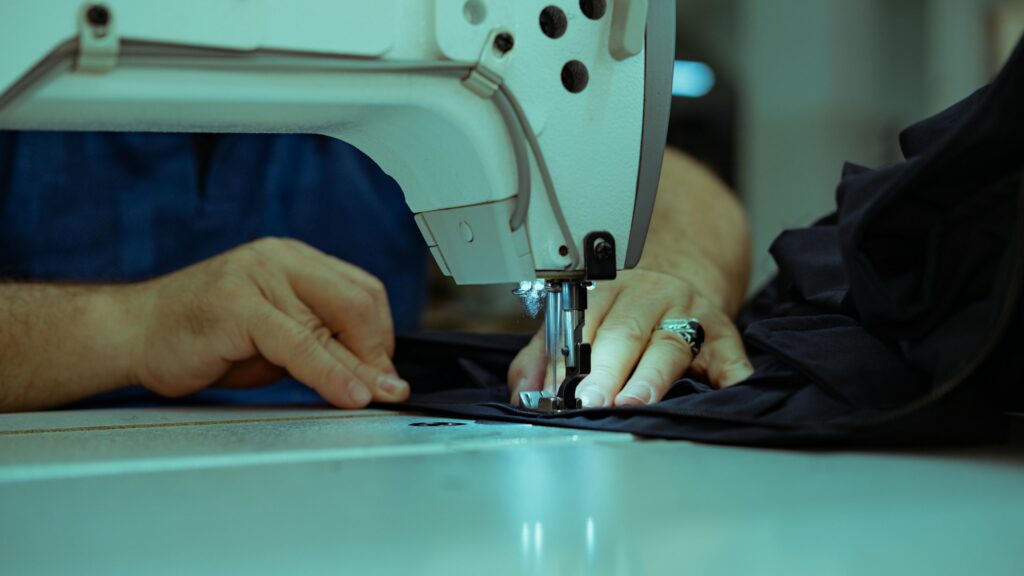
In 2016, Fantastic Enterprise Co., Ltd. launched its digital transformation by joining the Alibaba online platform. The goal was simple: survive and find new customers. Yet the first year brought almost no orders. It was not until the contract was about to expire that a baby swimsuit order from Uzbekistan finally arrived, rekindling his hope.
Liu rolled up his sleeves and learned everything himself—platform management, SEO data filtering, keyword optimization, product descriptions—constantly tweaking and improving. He also built an official website and established presence on LinkedIn, Taiwantrade and other platforms, creating direct B2B brand-to-client connections.
In 2017, Fantastic Enterprise sharpened its focus on “sustainable circular textiles,” setting a clear new direction for the company’s future. In 2019, it received the Special Award in Alibaba’s Taiwan Top 10 Online Merchants Competition, a milestone that came not from a single leap but from repeated trial, error, and relentless self-review.
Fantastic Enterprise originally made fabric from recycled PET bottles. Going forward, the emphasis will shift to textile-to-textile recycling—turning old fabric back into new fabric. “Taiwan holds a clear advantage in high-tech fabrics, particularly in functionality and environmental performance,” Liu notes. “Eco-friendly textiles based on recycled materials and low-carbon processes will perfectly meet the stringent demands of global sustainable fashion.”
Through the process, he learned a vital lesson: “Trying to do everything means you end up doing nothing well.” With dozens of garment categories, the company had once lacked focus. It later learned to narrow its scope: a single clear product positioning is enough to carve out a blue-ocean strategy.
Rethinking recycling

Accordingly, Fantastic Enterprise secured funding from the Taiwan Textile Federation to develop its first carbon-certified product—baby swim diapers.
With limited resources, the company chose a representative item as its demonstration project. It conducted a full life-cycle carbon-footprint analysis covering five stages—raw materials, manufacturing, distribution, use and disposal—and successfully obtained BSI certification. The analysis revealed that the highest emissions came from the raw-material stage, especially nylon fabric.
The solution: switch to recycled polyester fabric, cutting carbon emissions by approximately 19%. Changing the cleaning method (using plain water instead of detergent) further reduced emissions by 1.88%. The combined measures achieved a 21.18% reduction. At an annual shipment volume of 100,000 pieces, this translates to 38,000 kilograms of CO₂ saved each year.
Vice President Zeng Huiling, who oversees material development, actively searches for recycled or biodegradable eco-fabrics in response to clients’ ESG requirements.
“It’s not that the market is forcing us,” she explains. “We simply realized early on that these materials would be needed, so we started preparing now.”
To achieve supply-chain transparency, export sales representative Zheng Yunxin points out that disclosing raw-material sources and production locations is both difficult and labor-intensive for a small company. Fortunately, long-term suppliers have been willing to cooperate. “Every detail requires hands-on attention. The pressure on a small enterprise is enormous—but we do it gladly.”
“The sooner you act, the lower your future transformation costs will be,” says Liu Kaiwei.
Many people initially assumed CBAM would only affect steelmakers. They were wrong: any product sitting in a carbon-intensive supply chain is affected. Fantastic Enterprise has no capital advantage; it can only respond to each change with calm adjustments and steady progress.
“We’re neither cutting-edge nor particularly innovative,” Liu reflects. “We simply keep asking ourselves: what must we do to survive?”
Toward industry innovation
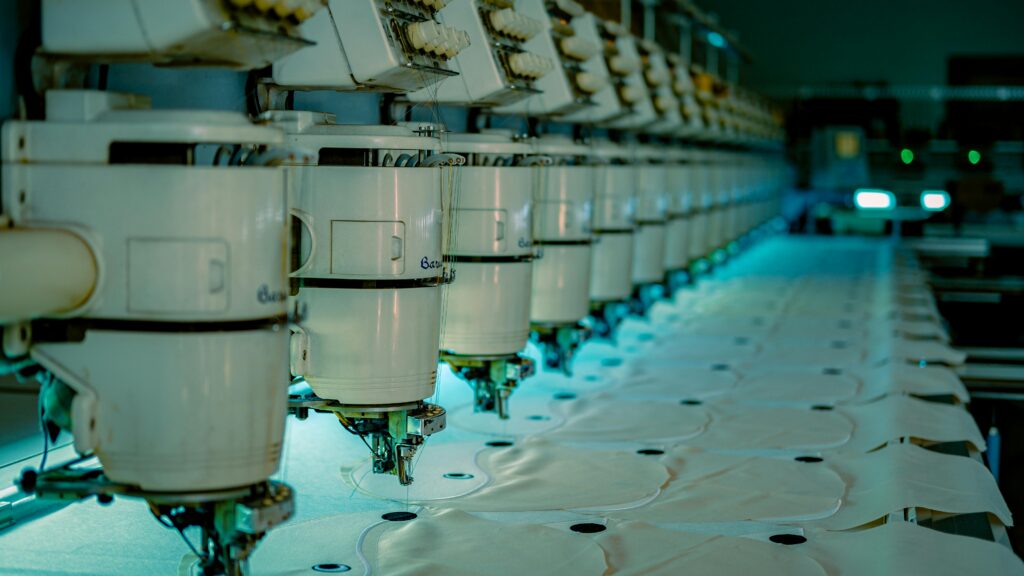
To stay ahead, Liu actively participates in seminars and training programs organized by the Taiwan Textile Federation (TTF) and the Taiwan Textile Research Institute (TTRI), converting the latest trends and technical insights into a solid foundation for product innovation and client communication.
Guo Yingfen, a section chief at the TTF’s Innovation and Sustainable Design Department, noted that she often sees Liu tirelessly pursuing further studies—a commitment that fills her with admiration and respect.
With support from the TTF and the Industrial Development Administration of the Ministry of Economic Affairs, plus Fantastic Enterprise’s own funding, the company finally earned international carbon-footprint certification.
Taiwan’s functional textile technology already leads the world. Looking ahead, the integration of digitalization and AI will be the key driving force behind corporate sustainable transformation.
On the path of transformation, the collective effort of the staff has been crucial. During the pandemic, Fantastic Enterprise introduced an Employee Stock Purchase Plan (ESPP), inviting core employees and partners to participate in the company’s operations. This initiative built a tight-knit and powerful team whose cohesion not only helped weather the pandemic but also laid the foundation for subsequent transitions.
Regarding employee empowerment, Fantastic Enterprise offers English courses and self-improvement funds to support career growth. These efforts earned the company the “Taipei Neo Trade Awards” in 2021. In recent years, as net profits from the green transformation have grown steadily, the employee profit-sharing ratio has also increased from 13.9% to 16.38% in 2024, allowing the team to share the fruits of their success.
Behind the glamour of the fashion industry lies its toughest sustainability challenge. For Fantastic Enterprise, advancing ESG has not been easy—and precisely because it is difficult, the achievement is all the more valuable.
This article was first featured on the Vision Project’s website in Mandarin